
Things You Can Expect From Polysomnography (Sleep Study)
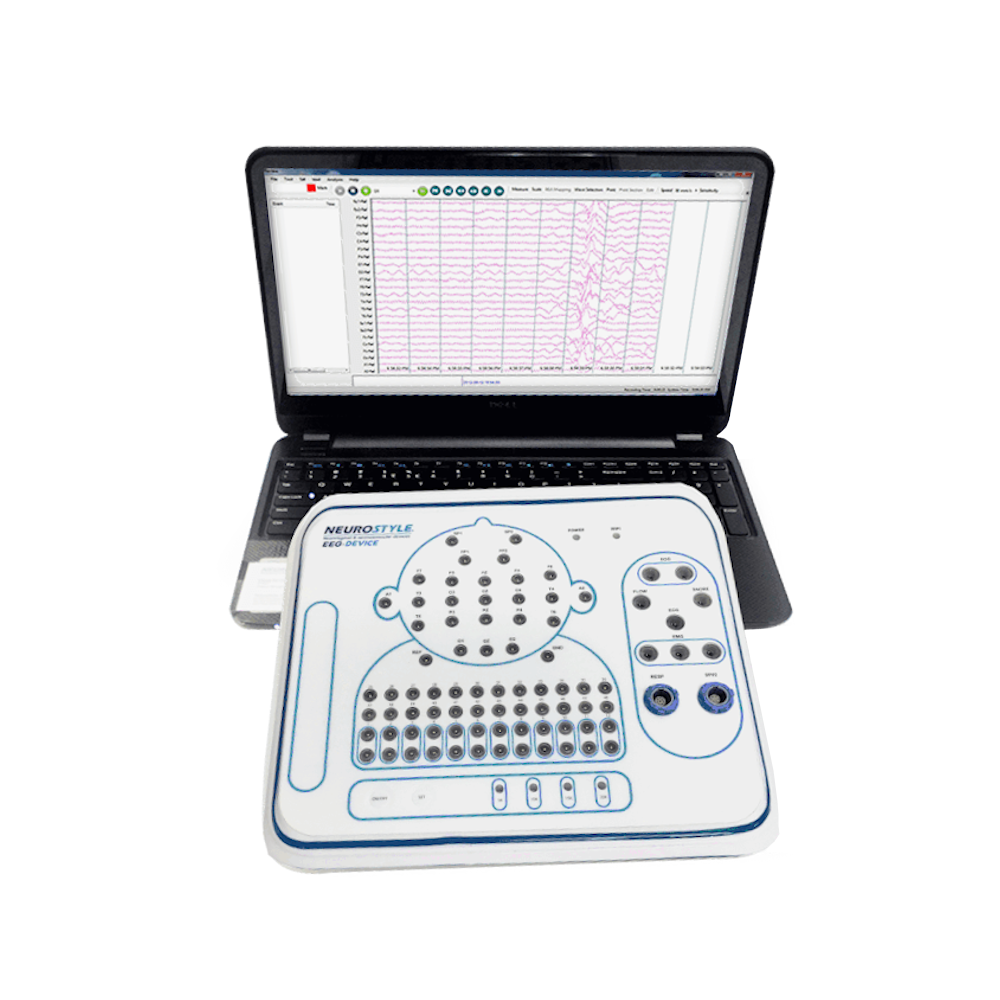
What is Polysomnography?
Polysomnography is also calls as sleep study. It is a test uses to diagnose sleep disorders. This test records your body when you sleep or when you are trying to sleep. They will records your brain waves, the oxygen level in your blood, heart rate and breathing, as well as eye and leg movements during the study. It is widely uses to diagnose sleep disorders.
Where is the test done?
Polysomnography can be conduct either in a sleep center or your home. The test records your night-time sleep patterns. It is occasionally conduct during the day to accommodate shift workers who habitually sleep during the day. Polysomnography may be uses to help adjusting the treatment plan for those who’ve already been diagnose with a sleep disorder.
Why it’s done?
Polysomnography monitor your sleep stages and cycles to identify if or when your sleep patterns are disrupts and why.
The normal process of falling asleep begins with a sleep stage called non-rapid eye movement (NREM) sleep. Your brain waves recorded by electroencephalography (EEG) are slow down during this stage.
During NREM, in contrast to the later sleep stages, your eyes surprisingly don’t move back and forth. After an hour or two of NREM sleep, your brain activity picks up again, and rapid eye movement (REM) sleep begins. Most dreaming occurs during REM sleep.
You normally go through multiple sleep cycles a night, cycling between NREM and REM sleep in about 90 minutes. Sleep disorders can disturb this sleep process.
Polysomnography may be recommended if your doctor suspects you have:
- Sleep apnea or another sleep-related breathing disorder. The breathing repeatedly stops and starts during sleep.
- Periodic limb movement disorder. Either you involuntarily flex and extend your legs while sleeping or it’s sometimes associates with restless legs syndrome.
- Drowsiness during the day and sudden urge to sleep.
- REM sleep behaviour disorder. This sleep disorder involves physically acting out dreams as you sleep such as violent arm movements, scream.
- Unusual behaviours during sleep. Unusual behaviours involves around walking, moving around a lot or rhythmic movements during your sleep!
- Unexplained chronic insomnia. Polysomnography may be recommended if you consistently have trouble falling asleep or staying asleep.
How it’s done?
There are two types of sleep:
- Rapid eye movement (REM) sleep. Normally, except for our eyes and breathing muscles, do not move during this stage of sleep. Most dreaming occurs during REM sleep too.
- Non-rapid eye movement (NREM) sleep. NREM sleep is divide into 3 stages that can be detects by brain waves (EEG).
REM sleep alternates with NREM sleep about every 90 minutes. A person with normal sleep most often has 4 to 5 cycles of REM and NREM sleep during a night.
Your sleep cycles and stages are recorded includes:
- Breathing air flow (Lungs)
- The level of oxygen in your blood
- Body position
- Brain waves (EEG)
- Breathing effort and rate
- Electrical activity of muscles
- Eye movement
- Heart rate
What are the risks?
Polysomnography is a non-invasive, painless test. The general side effects including skin irritation due to the adhesive uses for attachment of sensors on your skin.
How should you prepare?
You may be advised to avoid drinks or food containing alcohol or caffeine before Polysomnography. Alcohol and caffeine can alter your sleep patterns, and they may worsen the symptoms of some sleep disorders.
In order to obtain maximum results, best to refrain any forms of napping activities before a sleep study is conducted. You’ll usually be asked to bath or shower before your sleep study. Avoid application of lotions, ointments, gels, colognes or makeup as these can interfere with the sensitivity of the electrodes.
What you can expect during Polysomnography?
For most people, you’ll have your Polysomnography in the evening and staying overnight in the sleep center. To help you feel more comfortable, you can sleep in your pyjamas and you can even bring your bedtime routine necessity items with you.
The room where Polysomnography is done is similar to a hotel room, just darker and quiet during the test. You won’t share the room with anyone else and it comes with an attached bathroom, just like a hotel room.
The sleeping area will typically have a low-light video camera, so the Polysomnography technologists who are going to monitor you can see what’s happening inside the room when the lights are out. They also come with an audio system, where they can listen and communicate with you from the other side of the room.
When you get ready for bed, the technologists will place sensors on your various body parts such as scalp, temples, chest and legs by using a mild adhesive, such as glue or tape. The sensors are connected to a computer by wires, but they are long enough to let you move around in bed. A small clip will also place on your finger or ear to monitor the level of oxygen in your blood.
While you sleep, a technologist monitors:
- Brain waves
- Eye movements
- Heart rate
- Breathing pattern
- Blood oxygen level
- Body position
- Chest and abdominal movement
- Limb movement
- Snoring and teeth grinding, or other noise you may make when you sleep
What you can expect during Polysomnography?
Polysomnography technologists monitor you throughout the night. If you required any form of assistance or help, you can talk to them through the monitoring equipment. They will come into the room to detach the wires if you need to get up during the night.
During the study, if you have sleep apnea, the technologist may have you to try a positive airway pressure (PAP) machine for sleep. This device delivers gentle stream of air to enhance your breathing with a tight-sealing nose-piece.
Continuous positive airway pressure (CPAP) is one of the types of PAP machine. CPAP devices deliver a constant stream of air that keeps the airway passages open while you sleep.
Meanwhile, for some people they prefer bi-level positive airway pressure (biPap or bPap) machines as a more comfortable choice. This device helps you breathe in more easily as they deliver more pressure while you’re breathing in. Then it lowers the pressure when you exhale so you can breathe out smoothly.
Sometimes the PAP device will be given to try before the sleep study begins. So you should not surprise if the technologist suggests you to try the device later in the night. If necessary, oxygen may also be use during the study to bolster your breathing.
It’s definitely common for most people to have difficulty to fall asleep as easily or sleep as well inside the sleep center as we do at home, but this usually doesn’t affect the test results. A full night’s sleep isn’t requires to obtain accurate Polysomnography results.
What you can expect after Polysomnography?
In the morning, the sensors will be removes, and you may leave the sleep center. An appointment for a follow-up visit will be given to you by the doctor who recommended the test. You can return to your usual activities after the sleep study test.
What is the result?
The measurements recorded during Polysomnography provide a great deal of information about your sleep patterns. For example:
- Health care team can access your sleep stages and identify the disruptions from your brain waves and eye movements during the sleep. The disruptions may also occur due to some sleeping disorders such as REM sleep behaviour disorder or unusual sleep behaviour disorder.
- Heart and breathing rate changes and changes in blood oxygen that are abnormal during sleep may suggest sleep apnea.
- Correct settings for PAP or oxygen in case your doctor would like to prescribe these for home use.
- Periodic limb movement disorder may disrupt your sleep by frequent leg movements.
- REM sleep behaviour disorder or another sleep disorder may triggers unusual sleep behaviours.
A Polysomnography technologist will uses the data and information gathered to chart your sleep stages and cycles. Then the information is reviewed by your sleep center doctor.
During the follow-up appointment, your doctor reviews the results with you, they will also discuss any treatment or further evaluation that you may need based on the data gathered.